, Patrik Ros
Q2C Recovery After a Failed CPQ Go-Live: A 90-Day Plan
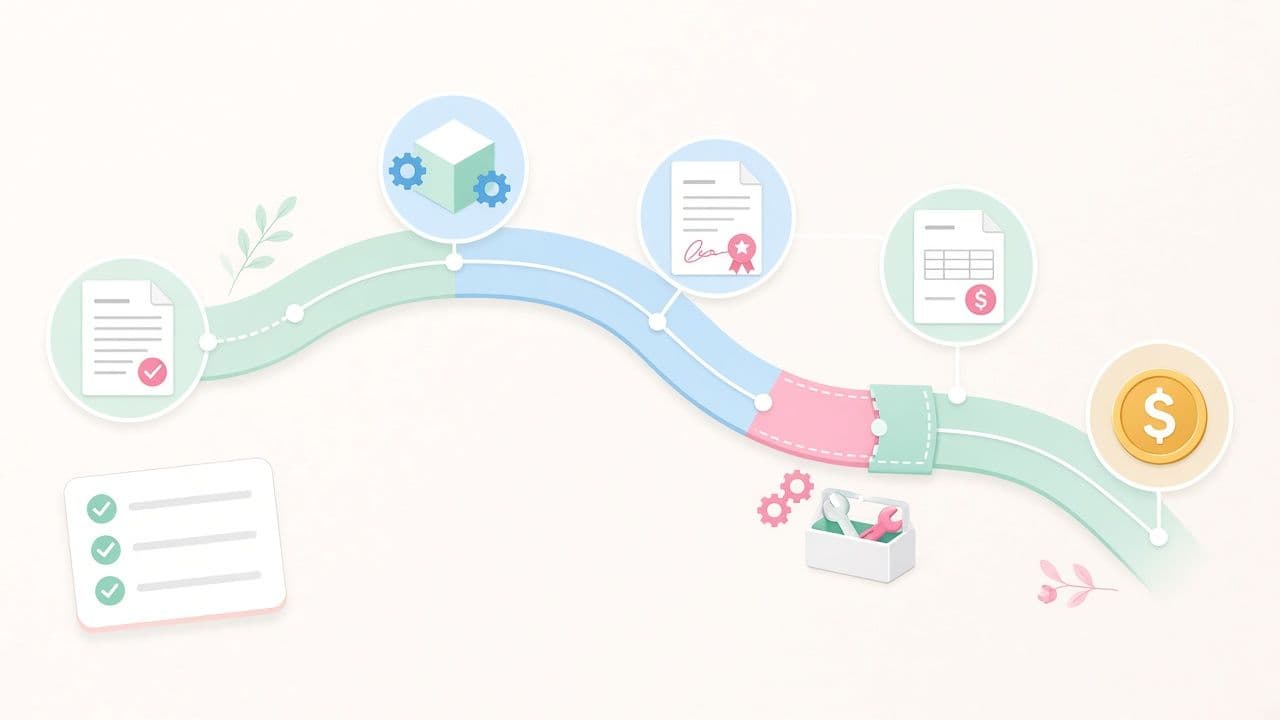
A CPQ go-live that didn't land is more common than most teams admit. Quotes take longer than before, reps keep a spreadsheet on the side, finance re-keys orders into billing, and the steering group quietly stops asking about ROI. If that sounds familiar, you're not alone, and the project is rarely as lost as it feels.
Year-end is when these projects get re-scoped. Budgets for next year are being locked, vendor renewals are on the table, and leadership wants to know whether to double down, pause, or start over. This is the moment to turn a painful go-live into a working quote-to-cash (Q2C) process, with a plan rather than another round of patches.
In an earlier post, I covered how to get Q2C right from the start: business case first, a solid data model, and a simple scope. This one is for when you're already live and it hurts.
1. Triage first: find out what actually broke
Before anyone proposes a fix, spend two weeks diagnosing. Most failed go-lives are a mix of five problem areas, and each needs a different response:
- Data: product catalog, price books, and customer/account structures that don't match how you actually sell. Duplicates, missing bundles, and legacy contracts migrated as-is.
- Process: the CPQ flow mirrors the old manual process, or an idealised one nobody follows. Approval chains are too long, or exceptions have no home.
- Integrations: quotes don't flow cleanly into contracts, ERP, and billing. Orders get re-keyed, and invoices don't match what the customer signed.
- Adoption: reps find the tool slower than their old way, so they work around it. Pipeline and quote data become unreliable.
- Governance: nobody owns the product catalog or pricing rules after go-live, so changes pile up in a backlog or get hacked in.
Talk to the people doing the work: two or three reps, a deal desk or sales ops person, someone from finance and billing. Pull ten recent deals and trace them end to end, from opportunity to cash. You'll quickly see where the real breaks are, and they're often not where the project team assumed.
2. Stabilise in the first 30 days
The goal of the first month isn't transformation. It's to stop the bleeding and win back trust.
- Fix the top three blockers that hit the most deals. Usually it's a pricing rule, an approval bottleneck, or a broken handoff to billing.
- Freeze new scope. No new features until the basics work.
- Name one owner for the Q2C process across sales, finance, and IT, with the authority to decide.
- Agree on a short list of measures you'll track weekly, such as time from quote to signed order, share of deals quoted in CPQ, and number of manual order corrections.
3. Fix the foundations in days 31–60
Once things are stable, go after the root causes. In our experience, this is almost always the data model and the product catalog.
- Clean up and simplify the catalog. Retire products and price points nobody sells. Model bundles the way customers buy them.
- Decide how to handle legacy contracts: renegotiate, migrate in a simplified form, or leave them in the old system for now.
- Make the quote-to-order-to-invoice handoff reliable. One source of truth for what was sold, so finance doesn't have to interpret.
- Shorten approvals. Use clear discount thresholds instead of routing every deal to a manager.
4. Scale and hand over in days 61–90
- Roll out the improved flow team by team, starting with the reps who are most open to it.
- Set up a lightweight change process: who can request catalog and pricing changes, how fast they're delivered, and who approves.
- Document the 'why' behind key rules so the next admin doesn't undo them.
- Review the measures from day one and decide what goes into next year's roadmap, and what doesn't.
5. What to renegotiate with your vendor or SI
Year-end renewals give you leverage. Use it calmly and with facts from your triage, not frustration.
- Scope: get the original promises written down and agree what's still owed versus what's a new requirement.
- Support: ask for named, experienced resources for the recovery period instead of a generic ticket queue.
- Licences: if adoption is low, discuss timing or ramping of seats rather than paying for shelfware.
- Milestones: tie remaining payments to working outcomes, like orders flowing to billing without manual fixes.
6. Getting reps to actually use it
Reps adopt tools that make them faster and help them close. Mandates alone don't work for long.
- Ask reps what slows them down in CPQ and fix those things visibly. Then tell them you did.
- Make the fast path the right path: guided selling, sensible defaults, and templates for common deals.
- Find a few respected reps to champion the new flow and share how they use it.
- Stop accepting quotes and orders outside the system once the basics work. Keep the rule simple and consistent.
7. When to bring in outside help
You don't always need external help. But it's worth it when the internal team is too close to the original decisions, when nobody has done a CPQ recovery before, or when the same people who built the setup are now expected to run it and fix it at the same time.
A good outside partner should start with diagnosis, not a new statement of work. They should be able to talk to both sales and finance, and they should leave your team able to run the process without them.
Getting back on track
A painful CPQ go-live isn't the end of the story. Triage honestly, stabilise before you redesign, fix the data and handoffs, and give reps a reason to use the tool. Most recoveries come down to clear ownership and a simpler scope, not more software.
At Growberries, we help companies get stalled CPQ and quote-to-cash projects working again, from diagnosis to hands-on fixes. Through Xberry, you can also bring in experienced freelance CRM and CPQ experts for the recovery period. If you're planning next year's scope and want a second opinion, feel free to reach out to me directly (patrik.ros@growberries.com).